How to Use Intent Data for Cold Outreach (Without Burning Your Sender Reputation)
November 30, 2025 · 6 min read · by Ahmet Faruk Yilmaz, Founder of Asphia
TL;DR
Intent data improves cold outreach by replacing guesswork with timing. Instead of blasting a static list, you reach prospects at the moment they have a live problem: hiring for a role you solve, researching competitors, or just receiving new budget. The key is layering intent signals on top of enriched contact data and sending only when the signal is fresh.
Intent data makes cold outreach relevant instead of random. The short version: instead of emailing everyone on a list and hoping someone has a problem you solve, you reach people at the exact moment a signal tells you the problem is live. That shift in timing is what separates campaigns that book meetings from campaigns that burn domains.
Here is how to do it without torching your sender reputation in the process.
What Intent Data Actually Is (and What It Is Not)
Intent data is a signal that a prospect is in an active buying moment. It is not a score that a data vendor invented from thin air. The most reliable intent signals are behavioral and observable:
A company posts three SDR roles. They are building a sales motion and probably need tools that support it. A VP of Sales just changed companies. They are evaluating vendors before their existing relationships solidify. A business announces a Series A. They have budget and pressure to grow fast. A company switches their CRM from Salesforce to HubSpot. A tech migration is underway and adjacent tools often follow.
These are cold facts pulled from public sources. They are not probabilistic scores. That distinction matters because your email copy should reference the specific signal directly, and you cannot do that convincingly if the signal is a black-box number.
Contrast this with “buying intent” sold by some data vendors: a composite score based on anonymous web traffic across a network. That data has a role in account prioritization, but it is too vague to write a specific email against. Use it for list ranking, not as the hook in your opening line.
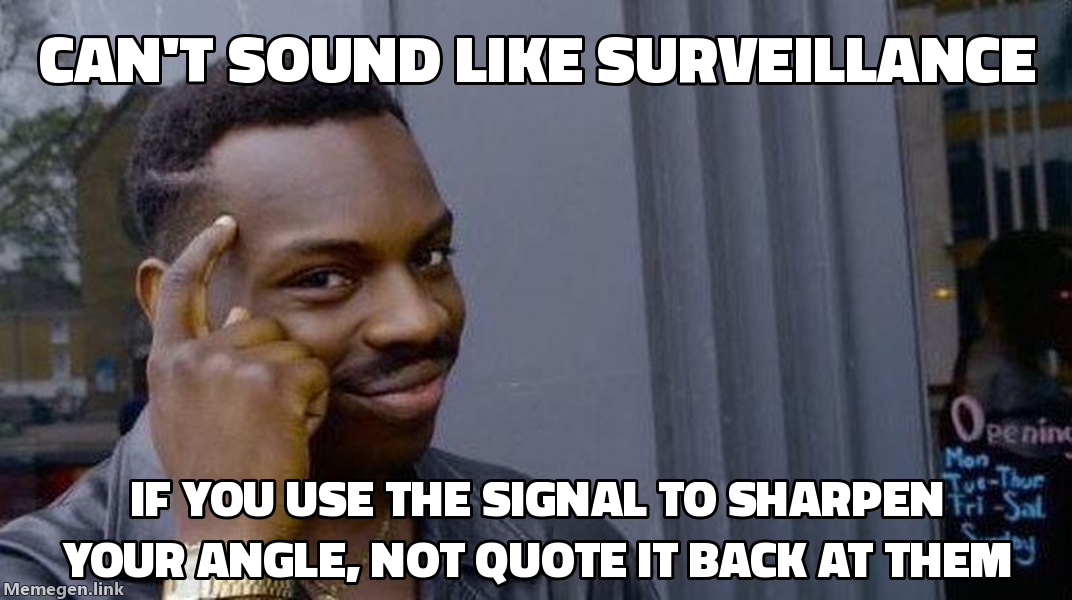 Use the signal to earn the angle, not to prove you were watching.
Layering Intent on Top of Enrichment
Intent data alone does not give you a name, a verified email, or a reason to reach out to this specific person rather than their colleague. You need an enrichment layer underneath it.
A typical workflow using Clay enrichment looks like this: pull a list of companies matching your ICP from Apollo, filter for companies showing a specific trigger (hiring signal, funding event, or tech stack change), then enrich at the contact level to find the right person at each company along with a verified business email.
The intent signal tells you the company has a live problem. The enrichment tells you who to talk to and gives you the data to make the email specific. Together they replace days of manual research per prospect.
For B2B lead generation agencies in Europe in particular, this stack has to be built with GDPR in mind from the start. Business emails with a professional relevance argument are fine. Consumer-style scraped personal data is not. The enrichment layer should pull only what you need for the campaign and not retain it beyond that window.
Writing Copy That Uses the Signal Without Sounding Creepy
The most common mistake with intent-based outreach is making the signal too explicit. “I noticed you just raised a Series A” sounds like surveillance. The prospect knows you scraped a press release. It signals a lazy template more than genuine interest.
Use the signal as context for your opening, not as the opener itself. Instead of naming the trigger, name the problem the trigger implies.
A company hiring three SDR roles is probably dealing with one of a few problems: pipeline gaps, a new market expansion, or a founder who has been doing sales alone and now needs to hand it off. Your email should speak to one of those problems based on what you know about the company, not announce that you read their job board.
The signal tells you the timing is right. Your copy should show that you understand the situation. That combination is what drives replies. For a deeper look at how this fits into a broader outbound system, the outbound engine builder approach covers the full sequence architecture.
Protecting Sender Reputation While Running at Scale
Intent-based outreach tempts you to send more because the data feels better. Resist this. Better signals mean you can send to fewer people and get more replies, not that you should increase volume.
A few rules that matter:
Send only to fresh signals. A hiring post from four months ago is not a live trigger anymore. Most signals have a useful window of two to four weeks before the buying moment has passed or the prospect has already made a decision.
Keep per-domain send volume conservative. Warm your domains before use and stay well below the limits your sending tool recommends. Deliverability is an asset that takes weeks to build and days to destroy.
Verify every email before it goes out. Bounces above one percent start damaging your domain. Tools like LeadMagic or similar email verification services check deliverability before you send. GDPR-compliant cold email setups run verification as a mandatory step in the pipeline, not an optional one.
Put a human in the approval loop. AI-generated copy based on intent signals is fast and scalable, but it still hallucinates. A human reviewing every draft catches the email that references the wrong signal, uses a stale job title, or sounds like it was written by a robot. The approval gate is what keeps the machine from sending embarrassing or damaging messages at scale. This is core to how done-with-you outbound systems are built: the automation handles research and drafting, but a person controls what actually goes out.
What a Working Intent-Based Campaign Looks Like
In practice, a signal-based cold email campaign has a tighter list and a higher hit rate than a static list campaign. You might work with a list of a few hundred companies per week instead of thousands, because you are only contacting companies where a fresh signal exists.
The emails are shorter and more specific. There is a real reason to reach out stated in the first sentence, even if it does not name the trigger directly. The call to action is a single, low-friction ask: a 15-minute call, a specific question, or a direct offer to share something relevant.
Replies come from people who recognize that the timing is not random. That recognition is the entire point of intent data: it turns a cold email into a message that arrives when the problem is real.
The alternative is sending the same email to everyone on a list and waiting for someone to happen to have the problem right now. That still works at high enough volume. But it burns domains, strains sender reputation, and wastes the time of people who are not ready to buy.
Intent data is not magic. It is discipline: reach fewer people, at better moments, with more relevant copy. That is the whole model.
Get the signal tier list in your inbox.
We rank signals from S to D to decide who gets a cold email and who does not. You get the list once. No follow-up emails.
Request received. The list lands in your inbox within 24 hours.
One more step: send the prepared request to [email protected]
FAQ
What is intent data in cold outreach?
Intent data is any signal that tells you a prospect is actively interested in a problem you solve. This includes job postings, tech stack changes, recent funding, competitor research activity, and content consumption patterns. In cold outreach, intent data replaces calendar-based spray-and-pray with timing that matches a real buying moment.
What are the best intent signals for B2B cold email?
Hiring signals are the most actionable: a company posting SDR or RevOps roles is building a sales motion right now. Funding announcements indicate budget and growth pressure. Tech stack changes show a vendor switch in progress. Job changes at the contact level mean a new decision-maker is forming vendor opinions before they have existing relationships.
Does using intent data help with email deliverability?
Yes, indirectly but significantly. When you contact fewer, better-timed prospects, reply rates go up and spam complaints go down. Inbox providers weight engagement heavily. A smaller list of high-intent contacts with strong open and reply rates protects your sender reputation far better than blasting a large cold list.
Is cold outreach using intent data GDPR compliant?
It can be. GDPR allows cold outreach to business contacts under legitimate interest, provided the outreach is relevant to the recipient's professional role and includes an easy opt-out. Intent data actually strengthens the legitimate interest argument because it demonstrates relevance. Suppress unsubscribes immediately and do not store personal data beyond what the campaign needs.
What tools provide intent data for B2B outreach?
Common sources include Bombora for content consumption signals, PredictLeads for hiring and tech stack signals, LinkedIn job postings scraped via Clay workflows, and G2 buyer intent for software categories. Apollo provides company-level signals combined with contact discovery. The right source depends on your ICP vertical and what buying triggers matter most.
How do you avoid burning sender reputation with intent-based outreach?
Send only when the signal is recent (under 30 days for most triggers). Use verified business emails, not personal Gmail addresses. Keep daily send volume per domain under safe limits and warm domains before use. Have a human approve every message before it goes out. Suppress bounces and unsubscribes within hours, not days.

Ahmet Faruk Yilmaz
Founder of Asphia. He builds and runs signal-based B2B outbound engines for lean teams, and has booked meetings with teams at companies across five markets. Writes about cold email, Clay, deliverability, and GTM engineering.
Want this run for you?
Get a free GTM analysis. We show you the exact engine we would build.
Get your free GTM analysis →